We Buy Houses For Cash and Close on Your Schedule
When people search for “we buy houses for cash,” they are usually tired of the same cycle. Showings that go nowhere, repairs that keep turning into bigger repairs, silence from buyers after a promise, and uncertainty about when closing day will actually happen. For some homeowners, it is a job transfer. For others, it is a divorce, an overdue mortgage, or an inherited property that needs attention yesterday.
In my experience talking to homeowners through these situations, the most valuable promise is not just speed. It is control. Cash offers and the ability to close on your schedule matter because life does not pause for escrow timelines.
This is what real estate cash offers can look like when they are done responsibly, with clear expectations and practical communication.
What “cash for houses” really means
“We buy houses for cash” is shorthand, but it helps to unpack what it usually implies. A cash purchase means the buyer is funding the transaction without relying on lender underwriting in the same way a traditional sale does. That typically reduces delays caused by appraisal issues, mortgage approvals, or financing contingencies.
It does not mean the process is instant like flipping a switch. There is still paperwork, title work, inspections when appropriate, and a closing step. But when financing is not the bottleneck, the timeline becomes simpler and more predictable.
There is also a common misconception that cash buyers just want to buy cheap. In real life, a responsible buyer prices the home based on condition, market value, and the time and cost it takes to get to a clean closing. If a house needs major work, the offer reflects that reality. If the property is straightforward, the terms can be more favorable than people expect.
The best outcomes happen when the buyer is willing to be honest about trade-offs and the homeowner is clear about their priorities, like timing, repairs, or avoiding major disruption.
Why timing becomes the main decision
Most sellers say they want to sell “as soon as possible,” but the details matter. Some need to be out by a specific date because they have a lease ending or they are moving in with family. Others have an aging parent in the home and they need the decision to be made quickly and compassionately. And some sellers need to coordinate with an existing mortgage payoff, a tax issue, or a handoff of belongings.
Closing on your schedule is not just a marketing phrase. It is a practical advantage when you are managing real deadlines.
I have seen a traditional listing drag long past the time a homeowner expected. A buyer toured, seemed serious, and then stalled while underwriting caught up to them. Another offer came in later and looked good, but then the financing fell through at the last minute. If you have ever lived through that kind of whiplash, you know why cash offers feel different. They can compress the waiting period and reduce the number of moments where you are hoping someone else clears an internal checklist.
That said, schedule flexibility has limits. Even a streamlined transaction needs time for title, deed transfer, and closing coordination. The goal is to shorten the part that creates avoidable uncertainty, not to pretend legal steps do not matter.
The trade-off most homeowners don’t talk about
Cash deals can be appealing, but there is a trade-off you should understand up front: the offer is built around speed and certainty, not maximum retail pricing.
That does not mean homeowners always lose money. It means the transaction is priced like a “get it done” sale. You give up certain levers you would have in a traditional market, such as the ability to negotiate after repairs, the ability to wait out a higher offer, or the chance to spread costs across inspections and credits.
On the other hand, you gain certainty. You may avoid paying for repairs you cannot afford, you may avoid the cost of maintaining a vacant home, and you reduce the stress of coordinating showings. For many sellers, those factors are worth more than squeezing out a few extra points on price.
The right choice depends on your situation and what “fair” means to you. If you can afford to hold the property and wait for the best buyer, a traditional sale might make sense. If you need a clean exit, cash can be the simpler path.
I often suggest homeowners think in terms of total outcome, not just the headline number. Total outcome includes time, inconvenience, risk, and the cost of waiting.
A realistic look at how the process works
Every company runs slightly differently, but a sensible cash purchase has a familiar rhythm. You contact the buyer, discuss the property, and share what you know. Then you receive an offer based on the home’s condition and other relevant factors, like local comps and any obvious issues that affect value.
If you accept the offer, you move into the closing phase. A good buyer will guide you through what happens next and what they need from you. That includes confirming utilities status, coordinating access for any required steps, and handling paperwork for the sale.
In many cash transactions, sellers are surprised by how much of the process is actually administrative. Title and escrow coordination can take time regardless of funding type. There may be liens that need payoff. There may be a need to confirm who holds rights to the property. Even when the buyer is cash, the transaction still has to be legally correct.
The point is this: the “cash” part removes the financing delay, but it does not remove the need for a careful closing. That is why the best offers come with clear explanations rather than pressure.
Homes that are a fit for cash offers
Cash buyers do not only target ugly houses, but properties that are hard to sell through standard listings often find a good match with a real estate cash offer. In my conversations, sellers frequently mention problems like deferred maintenance, outdated systems, or homes that need work before they can be marketed successfully.
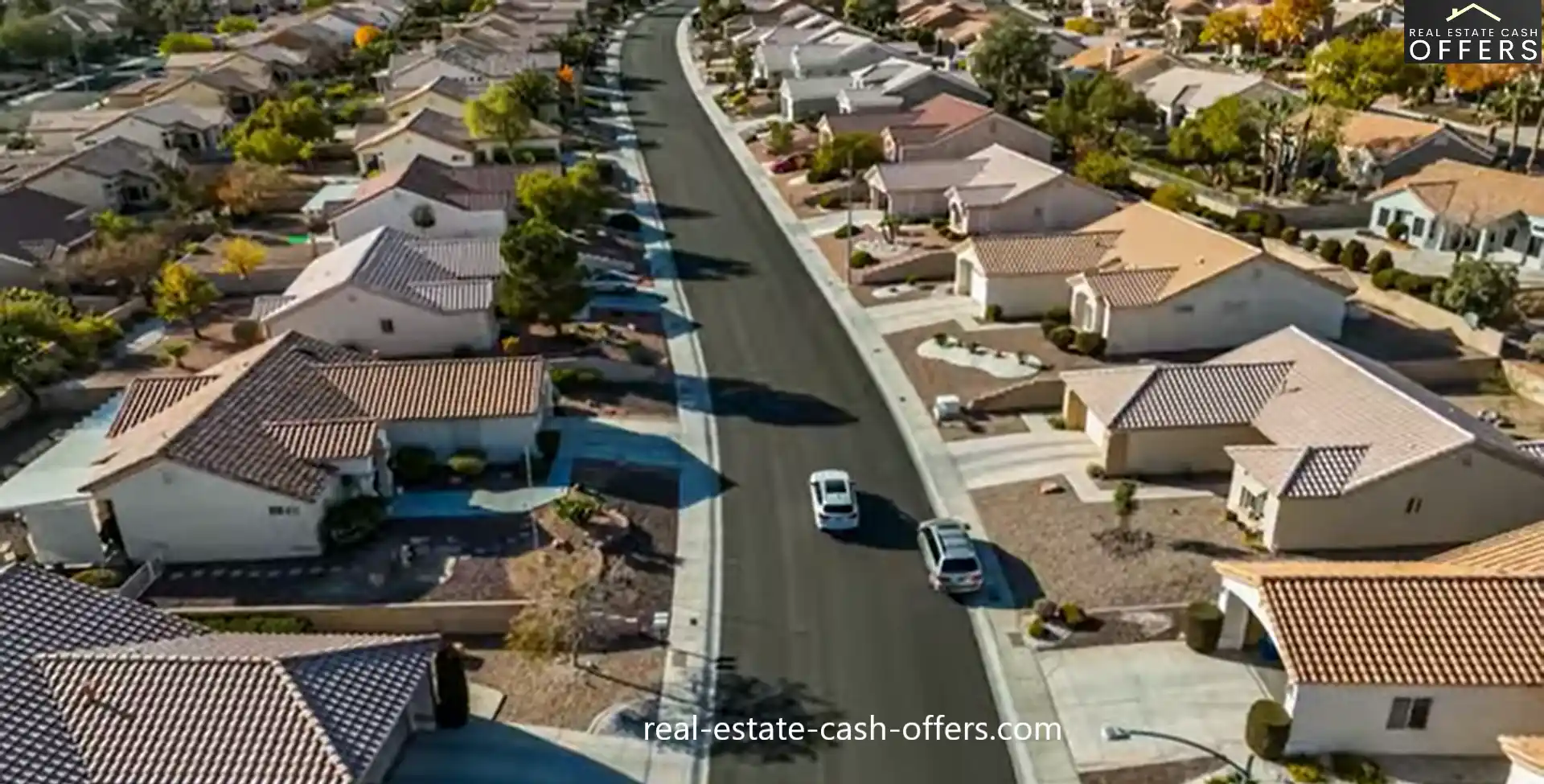
Here are a few scenarios where cash can genuinely help, not just advertise.
A quick checklist can make this easier to sort through:
- You need to sell before you can move or before a life event happens
- You do not want to pay for repairs just to attract a buyer
- The home has visible issues that would scare off many financed buyers
- You are handling an inheritance or a situation with timing pressure
- You want a clearer timeline than a contingency-heavy sale
If none of those fit you, it does not automatically rule out a cash offer. It just means you should shop carefully and compare the full financial picture.
How offers are typically evaluated (and why condition matters)
When a buyer is making a cash offer, they are thinking about the cost to bring the property to a marketable, livable condition, or the cost to carry the property until it can be sold. That is why condition plays such a central role.
Condition is not only about aesthetics. It is about systems and risk. A roof that is near the end of its life changes expected costs. Outdated electrical, plumbing leaks, foundation concerns, water intrusion, or persistent mold concerns can change the buyer’s risk and timeline. Even when those issues are not fully visible without an inspection, a seasoned buyer usually accounts for what can be reasonably inferred from what they see and what the seller shares.
That is also why responsible buyers ask questions. A seller’s answers often matter as much as the photos. If you tell the buyer that you had a leak repaired last year, or that the HVAC was replaced in a certain year, that information shapes the offer. If you do not know details, that is okay, but the lack https://s3.us-east-1.wasabisys.com/we-buy-houses-for-cash/index.html of clarity can lead to a more conservative valuation.
A practical example: I once spoke with a homeowner who was sure the house was worth more because “the neighborhood is expensive.” The neighborhood mattered, but the interior had water staining behind a bathroom wall. The homeowner did not know whether the issue had been fixed or if it was a recurring leak. A buyer could not safely assume it was resolved, so the offer reflected the uncertainty. After the seller shared what they knew, and after the buyer confirmed through their process, the price moved upward within a realistic range.
That is the difference between a rushed evaluation and a thoughtful one.
What “closing on your schedule” looks like in practice
People often imagine schedule flexibility as purely a yes or no. In reality, it is a range of options depending on what is already in motion.
If you have an existing mortgage, there needs to be a payoff statement timed to the closing date. That means your timeline should account for lender or servicer lead times. If you have a tenant, there may be lease and notice requirements. If there are probate steps, a cash sale might still be possible, but the process could require additional court approvals.
The most helpful buyers treat scheduling like project management. They ask what deadline you are working toward and then build the plan around it, instead of insisting on a rigid timeline that ignores your life.
Sometimes the best move is a shorter closing. Sometimes it is a closing that aligns with when you can vacate the home, when you can retrieve paperwork, and when you can plan the move.
When sellers feel respected in this part, they relax. And when the seller is calm, the rest of the transaction usually goes smoother.
Avoiding pressure tactics and protecting yourself
Because “cash for houses” is a popular search term, there are also plenty of companies in the market that rely on aggressive sales tactics. You are not wrong to be cautious. A quick offer and a fast closing can be helpful, but you should never trade away basic protections.
Here are the types of behaviors I look for, based on how I have seen homeowners get burned and how they recover:
A trustworthy buyer explains the offer clearly, including what they are basing it on. They do not hide behind vague language. They answer your questions directly and they do not rush you into signing before you understand what happens next.
You should also confirm that the buyer is legitimate, that they use proper escrow or closing channels, and that the transaction uses standard legal documentation. If someone discourages you from talking to your attorney or asks you to skip steps that are normal in real estate closing, that is a red flag.
If you are considering a real estate cash offer, treat it like any other major contract. You can move quickly without moving blindly.
How to compare a cash offer to a traditional listing
Comparison is where many homeowners feel stuck. A traditional sale might bring a higher number, but it also includes months of marketing, negotiation, and the possibility of financing collapse.
A cash offer might land sooner, but it could be lower than what you might get if you waited for ideal conditions and paid for repairs.
To compare fairly, I suggest thinking about three categories: money, time, and risk.
Money includes the offer price minus closing costs and any necessary repairs. Time includes how long you would likely wait and the costs that come with holding a property longer. Risk includes the chance the deal falls through, the chance that inspections uncover costly surprises, and the stress toll on you and your household.
A traditional sale can win on money if the home shows well and you can wait. A cash purchase often wins on time and certainty, and sometimes that translates to real financial value when you factor in carrying costs.
If you want a clean rule of thumb, ask yourself a simple question: “What is my cost of waiting?” The answer is different for every homeowner, but it can include mortgage payments, insurance, utilities, maintenance, and even the mental strain of not knowing.
When the cost of waiting is high, the benefits of We Buy Houses For Cash style solutions become easier to justify.
Real scenarios and how homeowners choose
Every home and situation is different, but the patterns repeat.
One homeowner I spoke with inherited a house and lived out of state. The property was occupied by relatives at first, then it needed to be cleared. A traditional listing would have required repairs, staging, and coordination across distance. The family wanted a sale that could happen without endless updates and showings. A cash offer was attractive because it reduced logistics. They still had to handle paperwork and preparation, but the timeline stayed predictable.
Another homeowner had a property with dated finishes and minor water damage. They did not want strangers walking through and they did not have the budget for renovations. They needed to move to a different city for work. The cash offer was lower than what they hoped for, but the seller felt it was fair because they were not planning to pour money into the home just to get it “show ready.”
And then there is the homeowner who was tempted by speed but still wanted top value. In that case, they compared offers, reviewed how the buyer calculated condition impacts, and negotiated the terms around closing timing and occupancy. The best agreements do not lock you into a one-size-fits-all scenario, they adjust around real needs.
These stories have a common thread: the “best” choice is the one that matches priorities, not the one that sounds best in a headline.
Questions you should ask before accepting a cash offer
You should feel comfortable asking questions. A professional, reputable buyer will not be offended. In fact, clear questions prevent misunderstandings later.
Here is what I recommend you ask in plain language:
First, ask how the offer was determined. Second, ask what happens after you accept, including the timeframe for title work and closing. Third, ask whether any inspections are involved and what the buyer expects from you. Fourth, ask what costs you are responsible for at closing. And fifth, ask what the buyer’s plan is if something unexpected shows up on the title report or during final paperwork.
A good company will answer these directly. If you get vague responses, you should pause. Speed matters, but clarity matters more.
The paperwork and practical details people overlook
Home sale closings involve details that can surprise sellers who have only experienced one or two transactions.
For cash deals, sellers still need to confirm identity information, ownership documentation, and any necessary disclosures. If there are liens, they must be satisfied from the sale proceeds. If there are repairs or agreed items, they should be documented so there is no confusion at closing.
There is also the “move-out” logistics. Even if you are selling quickly, you still need time to clear the home. Some sellers want a partial move-out and prefer to keep certain items. Others want full clearance before closing. Good buyers coordinate with the seller’s plan, so you do not end up paying for storage or scrambling during the final week.
If you have ever tried to coordinate a move while a closing is pending, you know why communication matters. The process goes smoother when everyone is aligned early.
When a cash offer may not be the right answer
Cash is not always the ideal path. If you have a property in great condition, you have time to list, and you want the highest market price available, a traditional sale might outperform a cash offer. If you are emotionally attached to maximizing the sale price, you may feel regret later if you choose certainty over top dollar.
Also, if you have complex legal issues, such as probate timelines you cannot predict, you might need more careful planning. In those cases, a cash offer can still be possible, but the process might include additional steps that affect timing.
The point is simple: choose based on your reality, not just the appeal of speed.
What good buyers do differently
I have noticed a pattern among sellers who end up happy with cash transactions. They were not treated like they were making a gamble.
They were given transparent expectations. They were allowed to ask questions. They were not pushed into signing under pressure. They understood what they would receive, when they would receive it, and what would happen if issues came up.
Professional communication is not fluff. It reduces the stress that comes with major decisions. And stress changes how people interpret information, so clarity helps everyone.
When companies act like partners, “we buy houses for cash” becomes more than a tagline. It becomes a practical service that helps homeowners regain control.
The bottom line: control, clarity, and a plan you can live with
Selling a home is rarely just about real estate. It is about your next chapter, your financial reality, and your ability to move forward without constant uncertainty.
We Buy Houses For Cash and real estate cash offers can be a strong fit when you need predictable timing, less hassle, and a path that does not depend on financing approvals. The best results come from matching your priorities to the right transaction structure, then choosing a buyer who explains the offer and respects your questions.
If you are considering a cash offer, start with your deadlines. Then get clear on property condition and the trade-offs you are comfortable making. From there, compare offers based on total outcome, not just headline price.
And if you want a sale that feels controlled rather than chaotic, you are looking in the right direction.
Real Estate Cash Offers
+1 (682) 402-6461
[email protected]
Website: https://real-estate-cash-offers.com/